
Effects
Explore a whole new world of sound with Spears Music’s range of effects. Whether you're looking for the right overdrive pedal to kick your tone into the next gear, a dreamy echo pedal to create atmospheric soundscapes, or you want to get experimental with modulation effects like phaser or chorus, we've got you covered.
Or maybe you're not sure what sound you're after until you hear it, or you'd just prefer to keep things simple and buy one unit that can do it all? Well then, take a look at our range of multi-effect processors; powerful devices that combine dozens of different effects into a single unit!
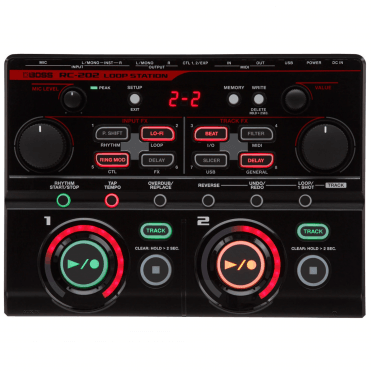
Effects 101
Effects units (sometimes abbreviated to ‘FX’) are electronic devices that modify and process an audio signal to produce an altered sound. They are most often housed in compact pedals for users to operate hands-free, but can also take the form of larger standalone or rack-mounted units. They are particularly popular among guitarists, and allow players to create drastically different sounds. Taking advantage of an effects unit offers almost limitless creative possibilities to those talented or imaginative enough to make the most of their potential.
The amount of choice and freedom offered to players today when it comes to effects is simply staggering, and experimenting with just a few different effects will open up a world new world of sonic possibilities and avenues to explore.
And guitarists aren't the only ones who can make use of these devices; bassists, synth & keyboard players, and vocalists can all use these devices to experiment and add colour to their sound. And with the growing popularity of digital drums, even drummers are getting in on the fun. Effects units can even be used in the studio to process the recorded sound of acoustic instruments; why not try adding a subtle chorus effect to the sound of an acoustic guitar, or a whooshing flanger effect to your drum track?
FAQ
Which effects should I get first?
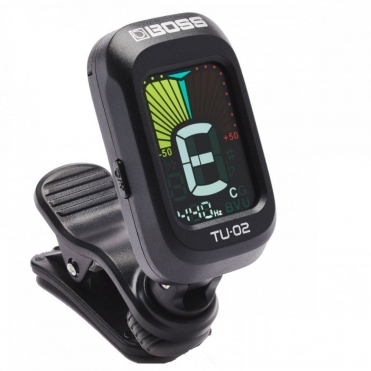
It all depends what kind of music you want to make! That said, there are a few classics that any musician would do well to keep in their arsenal. A dependable tuner pedal is a must, and we have options that can either mute your signal or allow it to pass through while in tuning mode. And a good overdrive pedal is always a handy addition to your rig, whether you play mostly clean but want the option to add a little grit to your guitar's voice, or if you want to push an already-distorted amp into tight, searing lead tones.
What is the difference between overdrive, distortion, and fuzz?
Put simply, it's about the levels of gain and the way this added gain causes the signal to 'clip'. Overdrives are the least aggressive of the three, adding an extra push to the signal that can cause an amp to break up, or tighten and focus an already-distorted tone. Distortion is the classic sound of hard rock and heavy metal guitar, with tons of different styles and variations ranging from raw and raucous rock 'n' roll to tight and focused modern metal tones. Fuzz is the wildest of the three, taking in everything from the buzzy tones of The Rolling Stones' Satisfaction, through the thick, wooly tones of Hendrix and late-60s psychedelia, to the unrestrained noise of grunge and alt rock.
There are no hard lines dividing an overdrive from a distortion, or a distortion from a fuzz; certain overdrives reach up into distortion if you crank the gain control up, and certain distortions have a 'fuzz-like' quality to their sound. Ultimately, it's best to experiment with a few different pedals (and combinations of them) to find the ones that work best with your instrument and amp to create the sounds you're looking for.
What is the difference between delay & reverb?
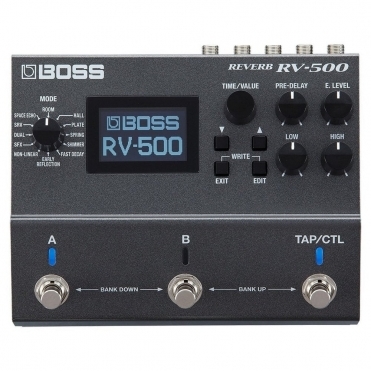
Delay and reverb are two different types of echo effect. Delays create focused repeats of your unaffected (or 'dry') signal. Reverb is more ambient, creating a less-focused 'wash' of reverberating sound. Think of it as the difference between shouting 'ECHO!' into a tunnel and hearing the word repeated back at you, versus singing in a cathedral and hearing the sound bounce off all of the surfaces inside, creating a sense of space. There are different types and styles of both delay and reverb. Tape echo units, analog 'bucket brigade' delays, and feature-rich digital delays with built-in loopers are all available, as are spring reverb units, multi-mode ambient reverbs, and modulated reverbs. As with gain pedals, it's all about experimenting and finding the sound for you.
What are modulation effects?
Modulation is a blanket term for effects that alter the soundwave of your signal. Tremolo and vibrato are the simplest modulation effects. Tremolo moves the volume of your instrument up and down in a timed cycle, while vibrato does the same with your instrument's pitch. Chorus is basically a vibrato that mixes the dry signal back in with the pitch-altered signal, with the interaction of the two sound waves creating a shimmery effect that was very popular in the 80s. Flanger achieves something similar by mixing the dry signal with a very slightly delayed duplicate of itself, creating a whooshing 'jet-engine' sound. Phasers do the same thing, but instead of delaying the duplicate signal, they invert the phase to create a psychedelic 'swimmy' sound.