
Guitar Pedals
Browse our wide collection of guitar effects pedals at Spears Music. These innovative devices transform the tone of your guitar, creating new sounds that can redefine your music. Often abbreivated to 'FX', guitar pedals allow musicians to create a diverse range of sonic textures, pushing the boundaries of what a guitar can achieve.
You’ll find pedals of all varieties on this page, from distortion pedals to loopers, delay and reverb to synthesizers and multi-effects pedals.
The different types of guitar effects
Guitar effects come in a wide variety of types, each designed to enhance or modify your sound. Whether you’re a beginner looking to experiment with tones, or a professional investing in a new pedal for gigs, have a read of our break-down below, to help you make your purchase.
Distortion and Overdrive
These effects are the backbone of many genres, from rock to blues. Distortion pedals add grit and sustain to your sound, while overdrive provides a subtler boost to create a warm and natural tone.
Reverb and Delay
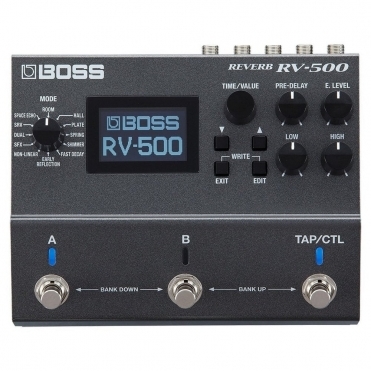
These pedals are staples in both rock and more ambient, experimental music. Reverb mimics the natural echo of a hall, creating atmosphere and depth in your performance. Delay pedals are used to repeat your notes at intervals which adds an ethereal layering effect to your playing.
Modulation Effects
Chorus, phaser and flanger pedals come under the bracket of ‘modulation pedals’ and each have different functions. A chorus pedal creates the illusion of multiple guitars playing together, so is perfect if you’re hoping to add texture to your sound. Phaser creates a warped sound with a ‘whooshy’ quality by splitting the signal into two tracks. Flanger also splits the signal but delays one copy before mixing the two back together - this creates a metallic sound, as if walking through a tunnel.
Compression, Noise Gates & Limiters
Compression pedals even out the volume of your playing, making sure every note can be heard clearly whether you’re picking or loudly strumming. Noise gates prevent any signal before a certain volume passing through, thereby cutting out signal noise when not playing. Limiters work the opposite way, preventing signals from going past a certain volume.
Loopers
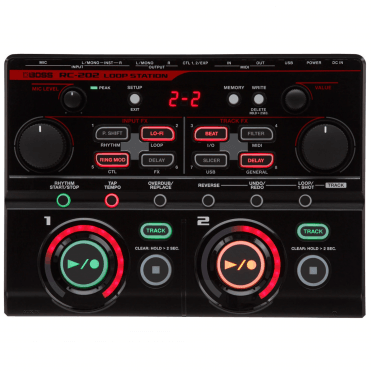
A loop pedal is a great tool for live performers, allowing you to record and layer your playing in real time. With this device you can set down a rhythm track, then add melodies and layer harmonies, all on your own.
Fuzz
Fuzz pedals produce an aggressive, saturated tone that’s perfect for vintage rock, alternative, and experimental music. Unlike distortion or overdrive, fuzz creates a thick, compressed sound reminiscent of the classic tones heard in 60s and 70s rock, as well as 90s grunge and alt rock.
Multi Effects
Players who want to experiment with a variety of sounds without investing in a whole collection of individual pedals should consider a multi-effects device. As you might expect, these units combine many different types of effects into a single pedal or processing unit.
FAQs
What is one pedal that every guitarist needs?
While the pedals you need will ultimately come down to your preferences and musical style, a tuner pedal is arguably the most essential for players at any level. Keeping your guitar perfectly in tune is a necessity for a successful performance and, with a tuner pedal, you can check your tuning quickly and discreetly on stage. Tuner pedals also come in really useful for practice, where it’s equally as important to be in tune.
Aside from tuners, many guitarists consider an overdrive pedal to be a versatile option as it works across a variety of genres and is a jack of all trades - helping solos to be heard, creating a thicker tone, adding a crunch to rhythmic sections etc.
What's the difference between overdrive and distortion?
Overdrive and distortion differ in how they shape a guitar’s tone. Overdrive mimics the natural breakup of an amplifier when pushed hard, resulting in a warmer and more dynamic sound; it’s often used in blues, rock, and country. Distortion, on the other hand, delivers a more aggressive and compressed tone, with a grittier texture. This makes it a go-to choice for harder rock and metal styles of music.
Are multi-effects pedals good for beginners?
Yes, multi-effects pedals are a great choice for beginners as they combine several effects into a single unit, allowing new players to try a wide range of tones without needing to invest in individual pedals. Many multi-effects pedals also come with presets, making it easy to try out different combinations and learn how effects interact with each other. While they may not offer the same level of customisation as standalone pedals, they’re a practical and cost-effective option if you’re just starting out.